Landing Page vs. Microsite: Which One Should You Choose (and When)
Single-page power vs. multi-page storytelling: Learn the key differences, pros/cons, and simple decision framework to pick the right tool for your next project.
In the fast-paced world of digital marketing in 2026, businesses often face a common dilemma: Should you build a landing page or a microsite for your next campaign? Both are powerful tools for driving traffic, engagement, and conversions, but they serve different purposes. Choosing the wrong one can waste resources or dilute your message.
As a digital agency specializing in custom websites, landing pages, and microsites, we’ve built hundreds of these for clients across industries. In this guide, we’ll break down the key differences, pros and cons, real-world examples, and a simple decision framework to help you pick the right option.
What Is a Landing Page?
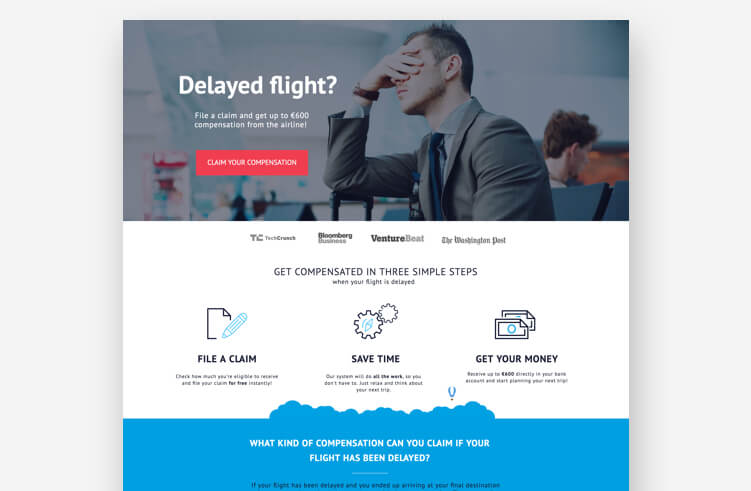
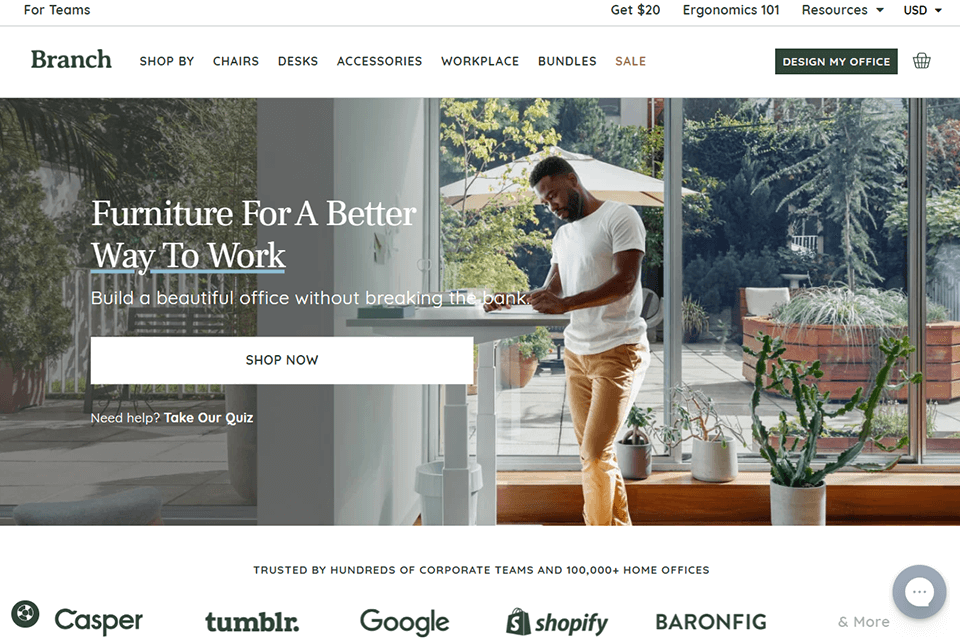
A landing page is a single, standalone web page created specifically for a marketing or advertising campaign. Its primary goal is conversion—getting visitors to take one focused action, like signing up for a newsletter, downloading an ebook, or making a purchase.
Landing pages are distraction-free: no main navigation menus, minimal links, and a clear call-to-action (CTA). They’re often linked directly from ads (e.g., Google Ads, social media) to match the ad’s message perfectly.

What Is a Microsite?
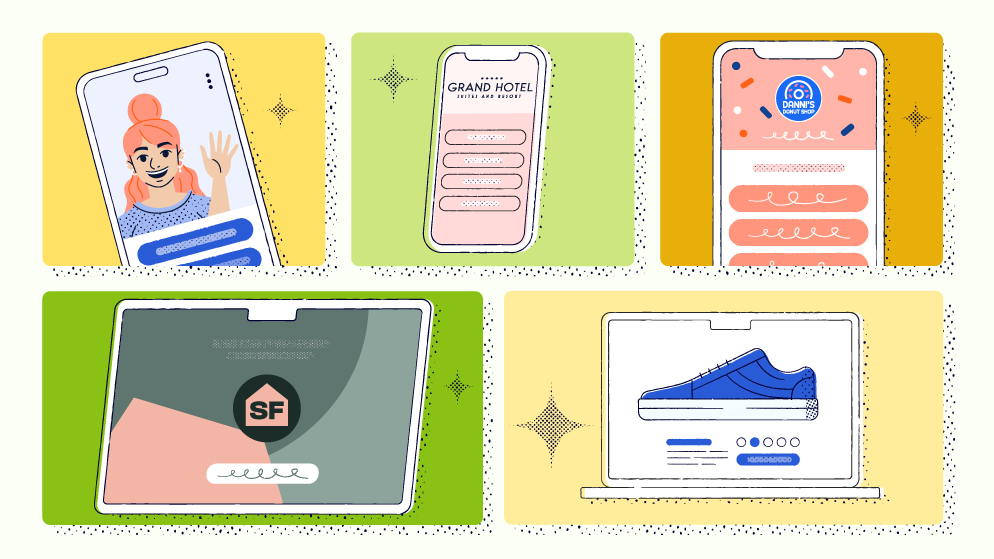
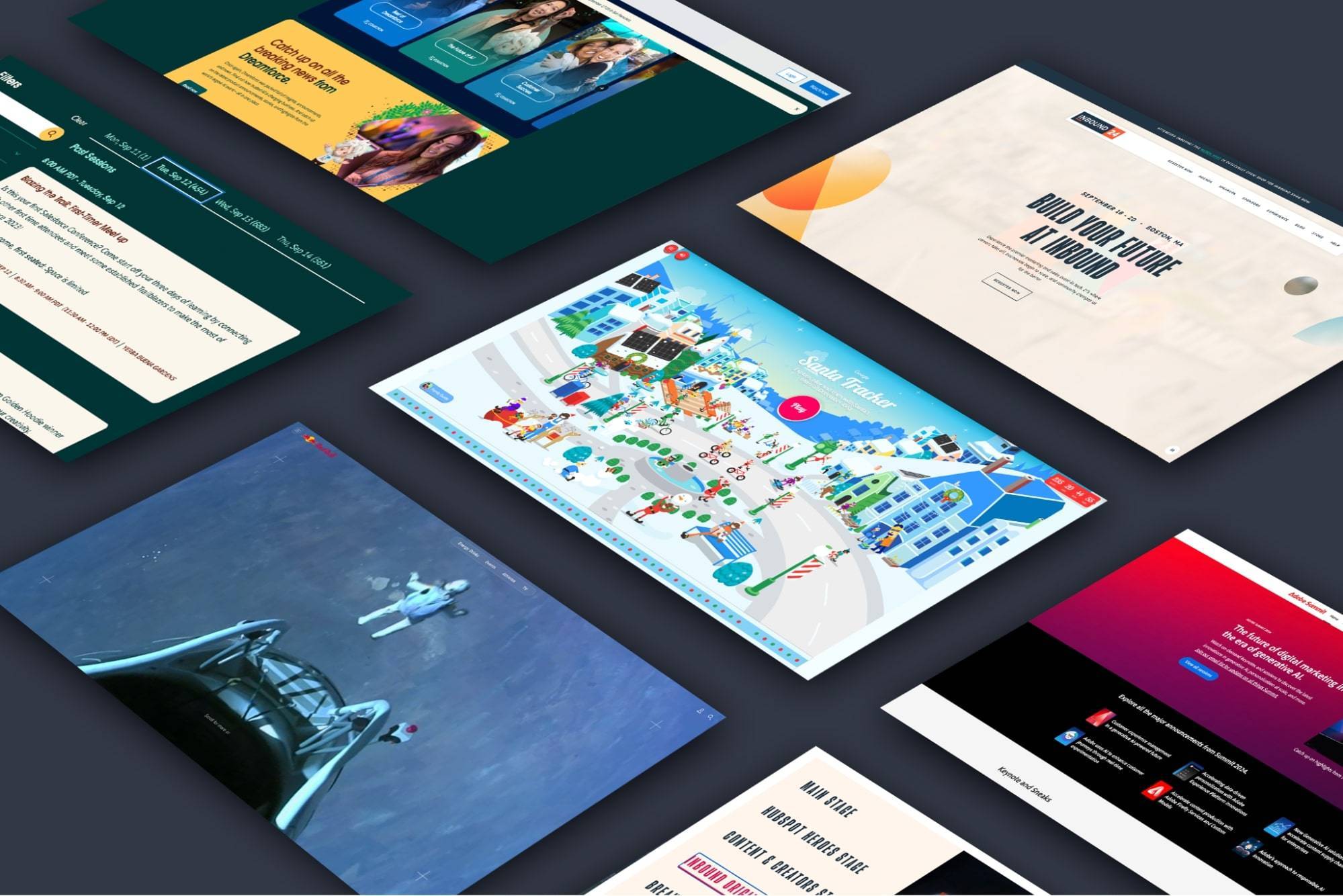
A microsite is a small, standalone website (typically 3–10 pages) focused on a specific campaign, product, event, or topic. It’s separate from your main website (often on a subdomain or separate domain) and allows for deeper storytelling, immersive experiences, and multiple navigation paths.
Microsites shine when you need to educate, engage, or build awareness over time. They’re great for complex narratives, interactive content, or branded experiences that don’t fit neatly on your main site.
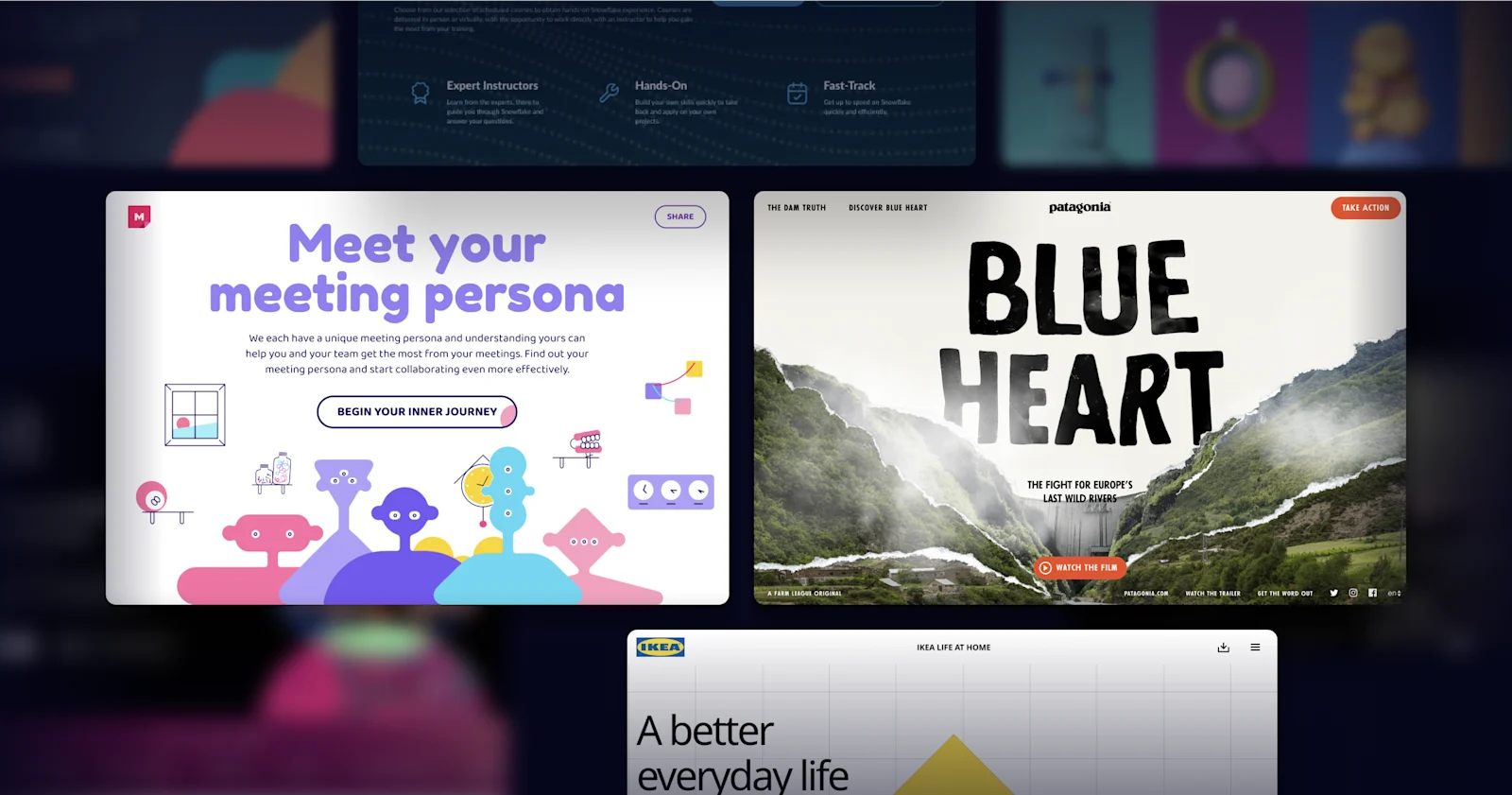
Key Differences: Landing Page vs. Microsite
Here’s a quick comparison to highlight the core distinctions:
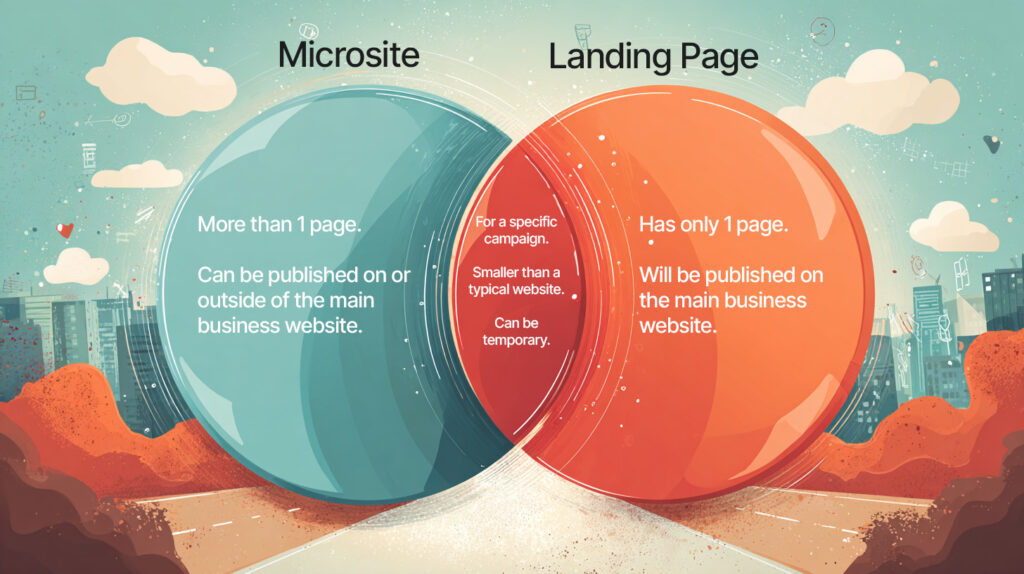
| Feature | Landing Page | Microsite |
|---|---|---|
| Structure | Single page (long-scrolling possible) | Multi-page with navigation |
| Primary Goal | Immediate conversion (e.g., leads, sales) | Engagement, awareness, storytelling |
| Timeline | Short-term (tied to specific campaigns) | Longer-term (can live indefinitely) |
| Development Time/Cost | Quick and affordable (hours to days) | More involved (weeks, higher budget) |
| Customization | Focused and minimalistic | Highly immersive and branded |
| SEO & Traffic | Great for paid traffic; limited organic | Better for organic search and sharing |
Pros and Cons
Landing Pages:
- Pros: Higher conversion rates (often 20–50%+ with optimization), faster to launch, easier to A/B test, perfect for PPC ads.
- Cons: Limited space for in-depth content; can feel “salesy” if not done right.
Microsites:
- Pros: Deeper user engagement, stronger brand storytelling, supports interactive elements (e.g., 3D visuals, quizzes), builds long-term authority.
- Cons: Higher cost and maintenance; risk of lower conversions if not focused.
In 2026 trends like AI personalization, lightweight 3D elements, and mobile-first design apply to both—but microsites often leverage them more for immersive experiences.
When to Choose a Landing Page
Go with a landing page if:
- Your goal is one clear action (e.g., sign-ups, downloads, purchases).
- You’re running paid ads or email campaigns where message match is critical.
- You need something quick and budget-friendly.
- Examples: Lead gen for a webinar, product launch promo, ecommerce flash sale.
Real-world win: Many SaaS companies see 2–5x higher conversions sending ad traffic to optimized landing pages vs. homepages.
When to Choose a Microsite
Opt for a microsite if:
- You need to tell a complex story or educate users (e.g., new product ecosystem, brand campaign).
- The project involves multiple content types (videos, case studies, interactive tools).
- It’s a long-term or seasonal initiative (e.g., event hub, niche audience resource).
- Examples: Product launches (like Nike’s Jordan campaigns), events, or awareness drives.
Classic success: Brands use microsites for viral campaigns, achieving higher engagement and shareability.
Can You Use Both?
Absolutely! Many strategies combine them: Drive paid traffic to a landing page for quick conversions, while linking to a microsite for deeper exploration.
Final Thoughts: Make the Right Choice for Your Goals
There’s no one-size-fits-all— it depends on your objectives, budget, and timeline. For direct conversions and speed, landing pages win. For immersion and storytelling, microsites are unmatched.
If you’re unsure which fits your next project, our team at PixelPurpose specializes in both. We incorporate 2026 trends like AI-driven personalization and fast-loading interactive elements to maximize results.