Top Web Design Trends for 2026: AI, Interactivity, and Beyond
AI-powered personalization, immersive interactivity, glassmorphism, and human-centered experiences that blend stunning visuals with lightning-fast performance.
As we kick off 2026, web design is evolving faster than ever, blending cutting-edge technology with a renewed focus on human-centered experiences. The overarching theme? Balance: stunning visuals that load instantly, intelligent features that feel intuitive, and immersive interactions that engage without overwhelming.
At PixelPurpose we are experts in crafting high-converting landing pages, microsites, and full websites and we’re already incorporating these trends into client projects. Here’s a breakdown of the top web design trends shaping 2026, with a spotlight on AI integration, advanced interactivity, and emerging innovations.
1. AI-Powered Design and Personalization
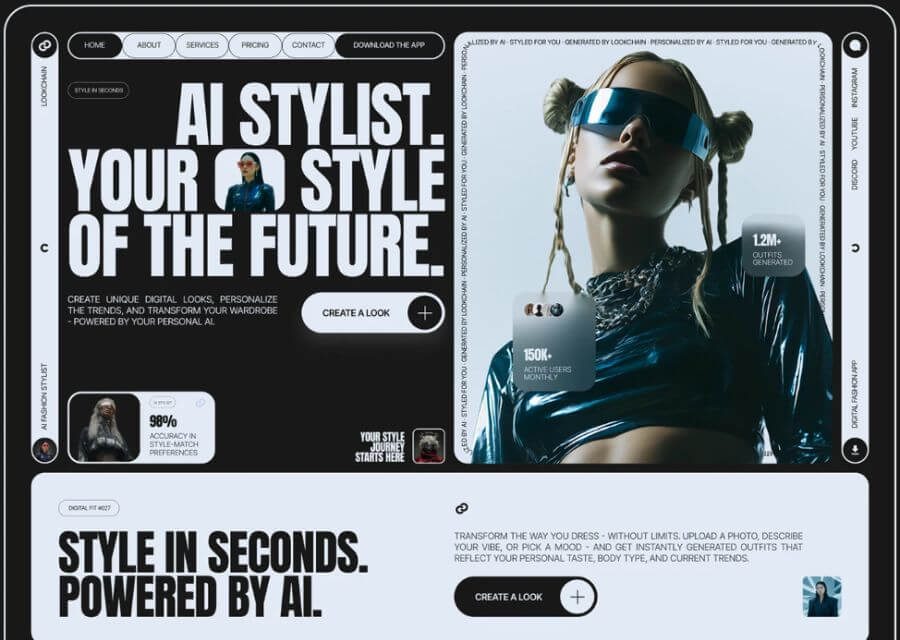
AI is no longer a gimmick—it’s a core tool for designers and a game-changer for user experiences. In 2026, expect agentic AI (systems that autonomously act on user goals) and natural personalization to dominate.
- AI assists in generating layouts, content, and even code, speeding up workflows while amplifying creativity.
- On the front end: Dynamic personalization adjusts content, layouts, and recommendations in real-time based on user behavior.
- Natural AI integration includes subtle helpers like predictive search or conversational interfaces that feel helpful, not intrusive.
2. Advanced Interactivity and Immersive Experiences
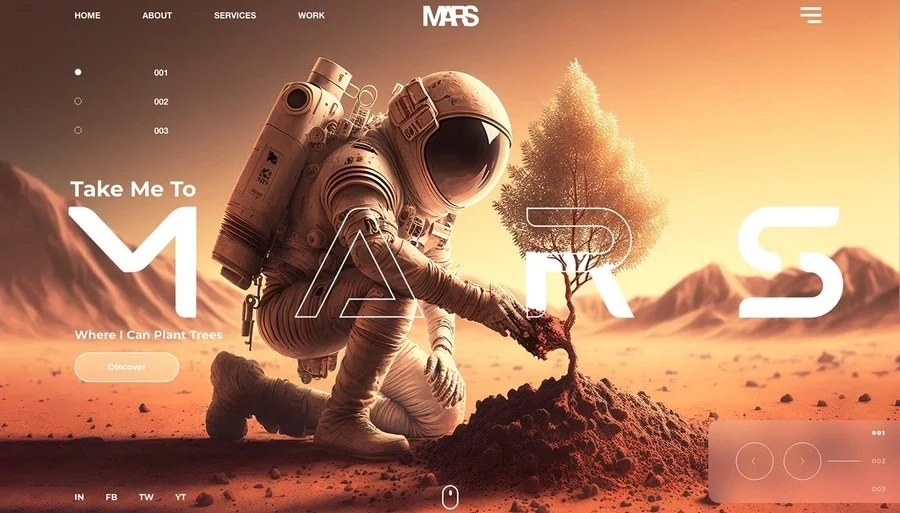
Static pages are out—2026 is all about sites that respond, move, and engage. Interactivity boosts dwell time, conversions, and shareability.
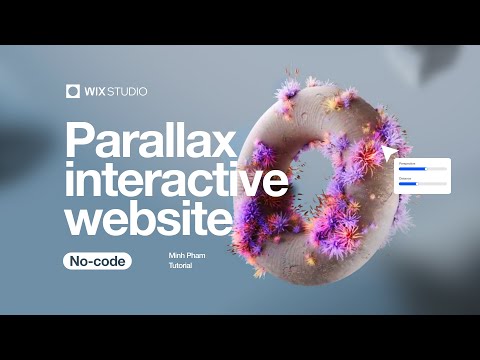
- Micro-interactions and scroll-triggered animations: Subtle feedback (e.g., button hovers, parallax effects) guides users and adds delight.
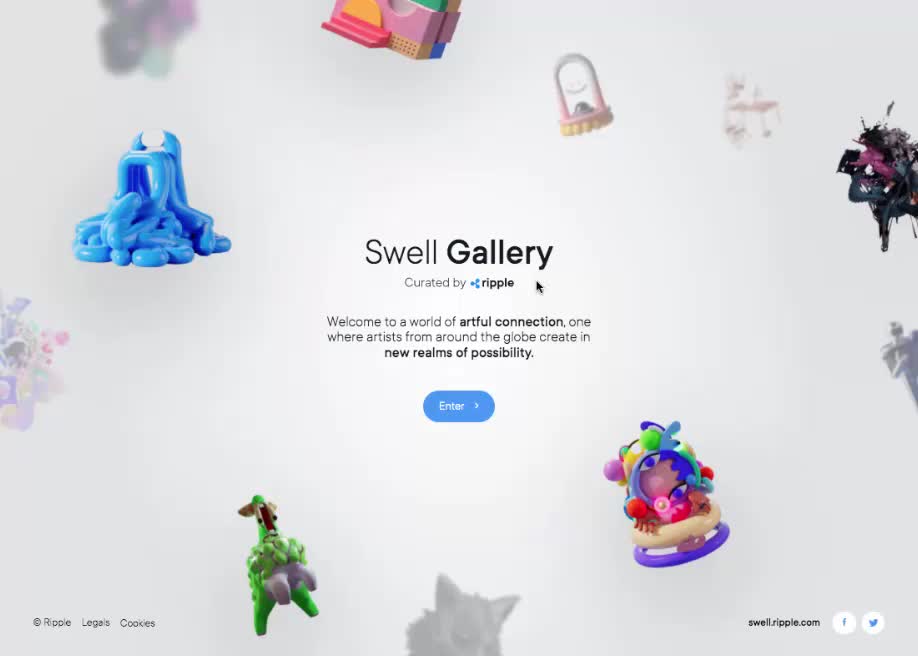
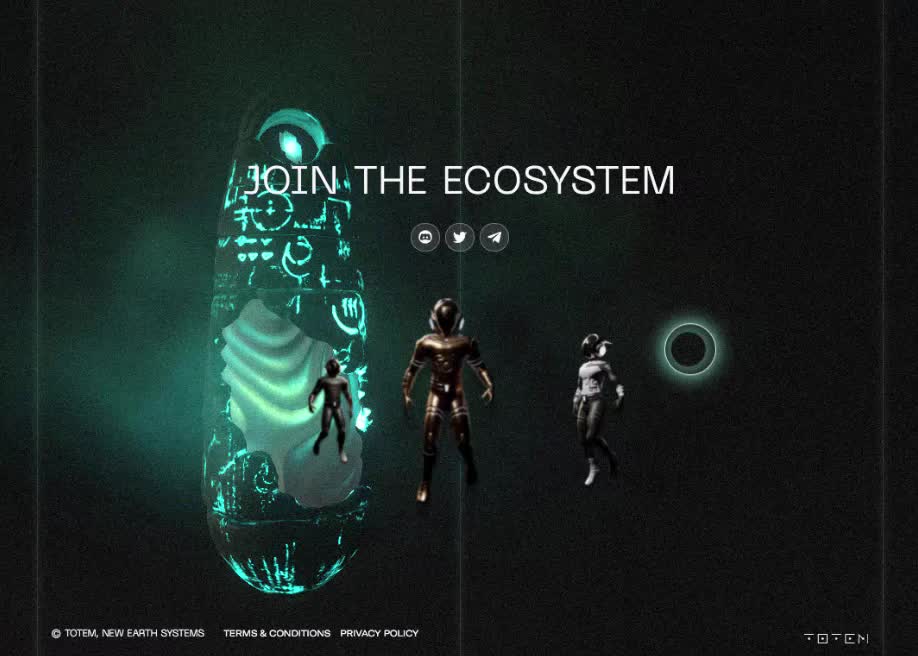
- 3D elements and spatial design: Lightweight 3D models react to cursor movement or device tilt, creating depth without heavy loads.
- Non-traditional scrolling, kinetic typography, and gesture/voice inputs make sites feel alive and intuitive.
3. Glassmorphism and Futuristic Aesthetics
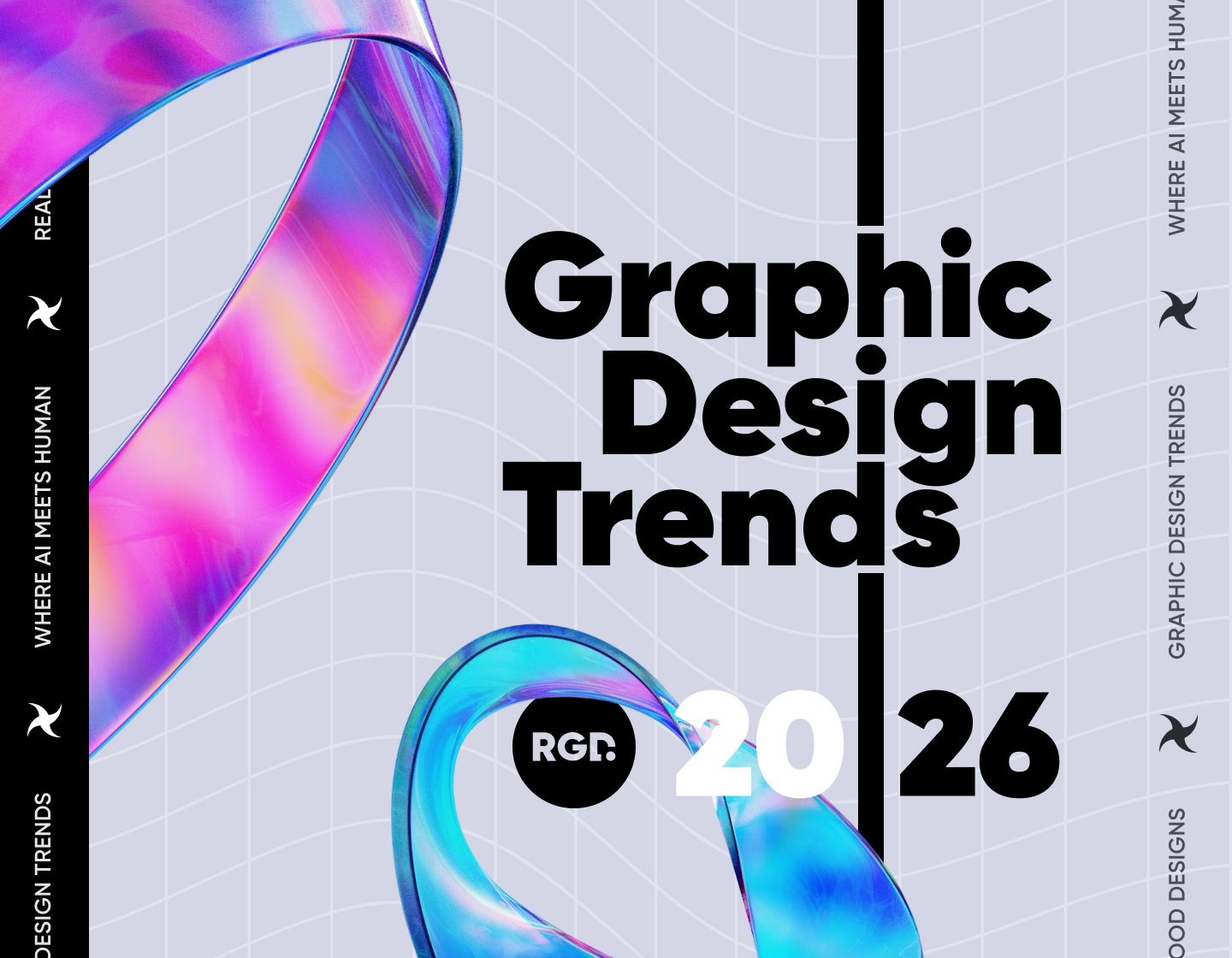
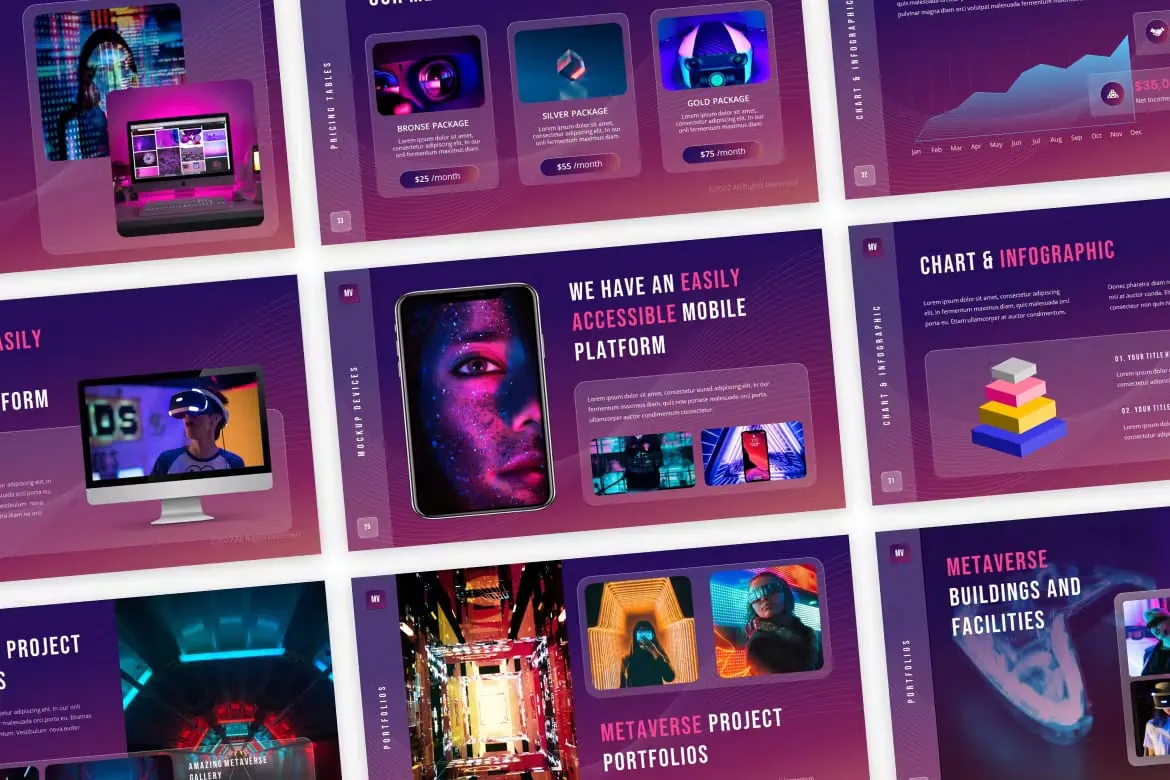
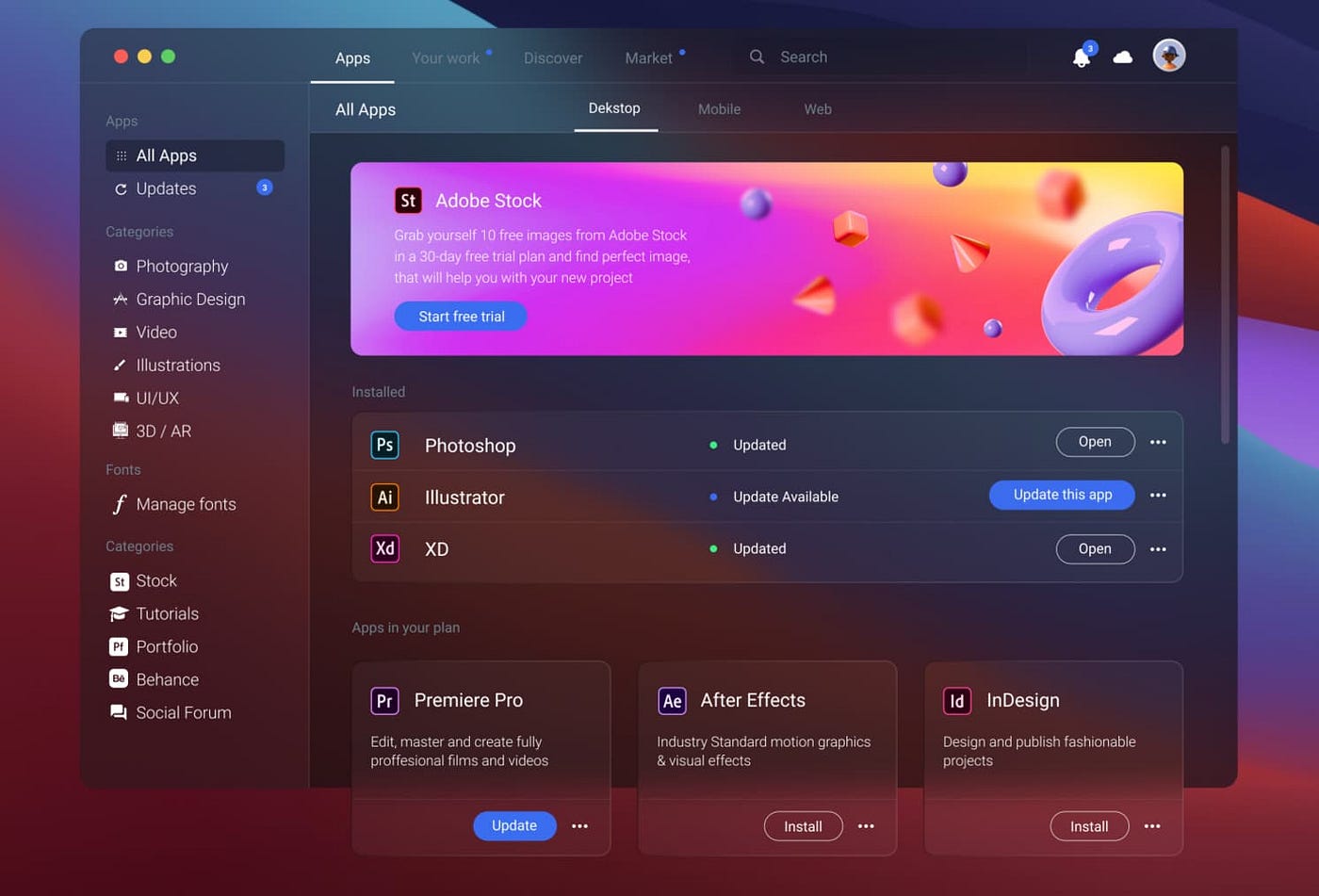
Glassmorphism—translucent, frosted layers with subtle blur and vibrancy—evokes a “calm futurism” perfect for AI-driven sites.
- Paired with bold gradients, organic shapes, and dopamine-inducing colors for emotional impact.
- Contrasted by expressive minimalism: Clean layouts with hand-drawn elements or brutalist touches for personality.
4. Beyond: Human-Centered and Sustainable Design
Trends extend to anti-grid organic layouts, accessibility-first approaches, and performance optimization (e.g., Core Web Vitals for lightning-fast loads).
- Emphasis on inclusivity, mobile-first, and eco-friendly practices (lighter assets reduce energy use).
- Bento grids, variable fonts, and functional animations ensure beauty meets usability.
Why These Trends Matter for Your Business
Incorporating 2026 trends isn’t just about looking modern—it’s about higher engagement, better SEO (Google favors fast, user-friendly sites), and stronger conversions. Whether it’s an AI-personalized landing page or an interactive microsite, these elements help brands stand out.
At our agency, we specialize in building websites, landing pages, and microsites that leverage these trends for real results—like increased leads and sales.